Quick answer
What buyers need to know
A kids wear quality control checklist should cover the approved material and colour, garment measurements, construction and seams, trims and closures, comfort-related details, surface appearance, finishing, labels, packing and consistency across the order. Checks should happen at sample, in-line and final stages.
Key takeaways
- Inspect against an approved sample and written specification.
- Check during production so repeated problems can be corrected early.
- Review comfort and usability as well as visible appearance.
- Record the issue, quantity affected, decision and corrective action.
Set the reference before inspection
Quality cannot be judged consistently without an agreed standard. Keep the approved sample, measurement chart, fabric and trim references, colour approval, construction notes, label placement and packing instructions together.
If a requirement is not documented, different people may interpret it differently. Resolve unclear points before bulk production.
Check fabric, colour and components
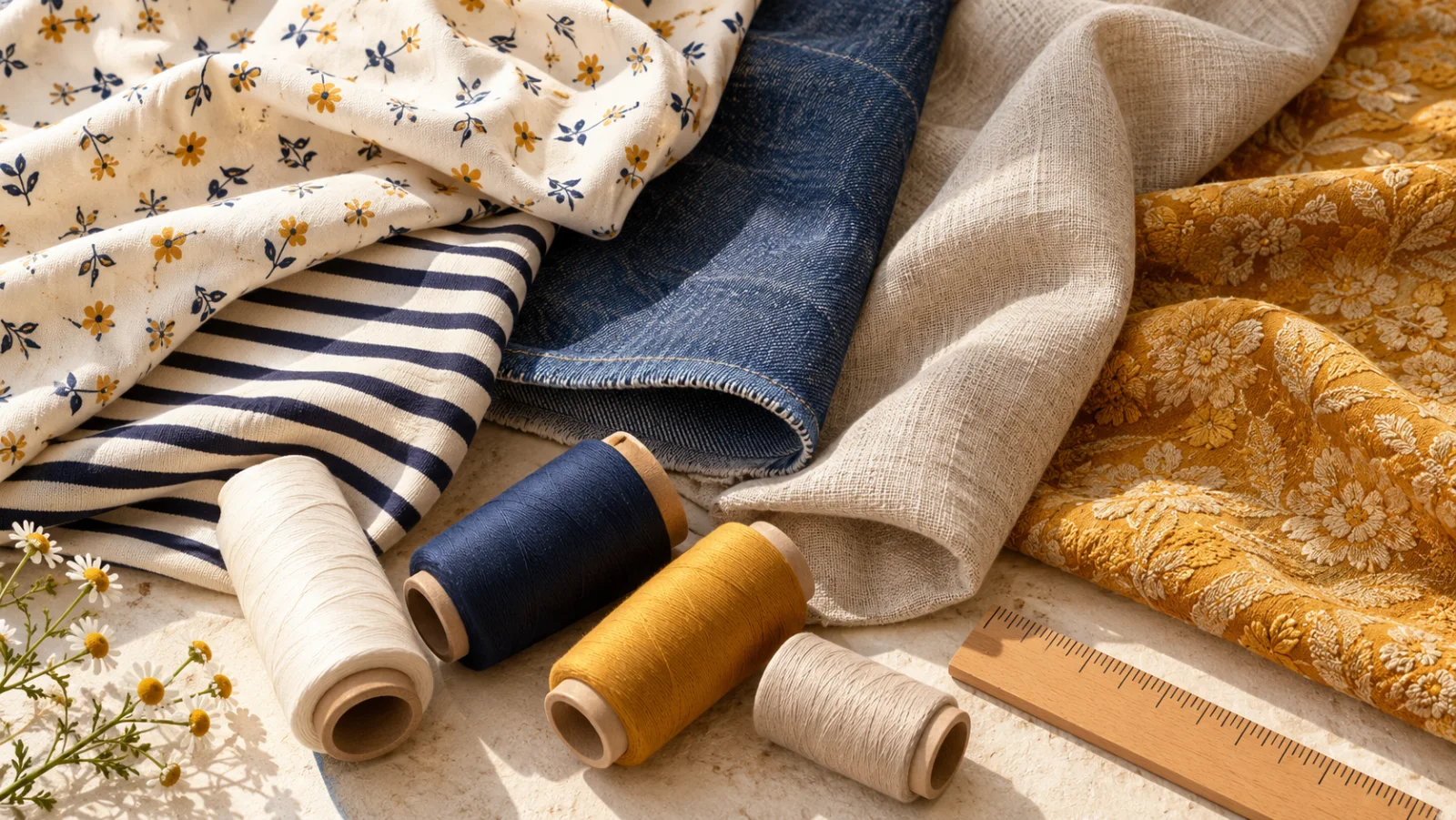
Confirm that fabric handle, weight impression, surface, pattern direction and colour match the approval. Look for marks, holes, shade variation, bowing or visible defects. Check lining, elastic, zips, buttons, thread and decorative components as part of the same garment system.
Material suitability begins at sourcing. Our kids clothing fabric guide helps buyers frame the right questions before approval.
Measure the garment consistently
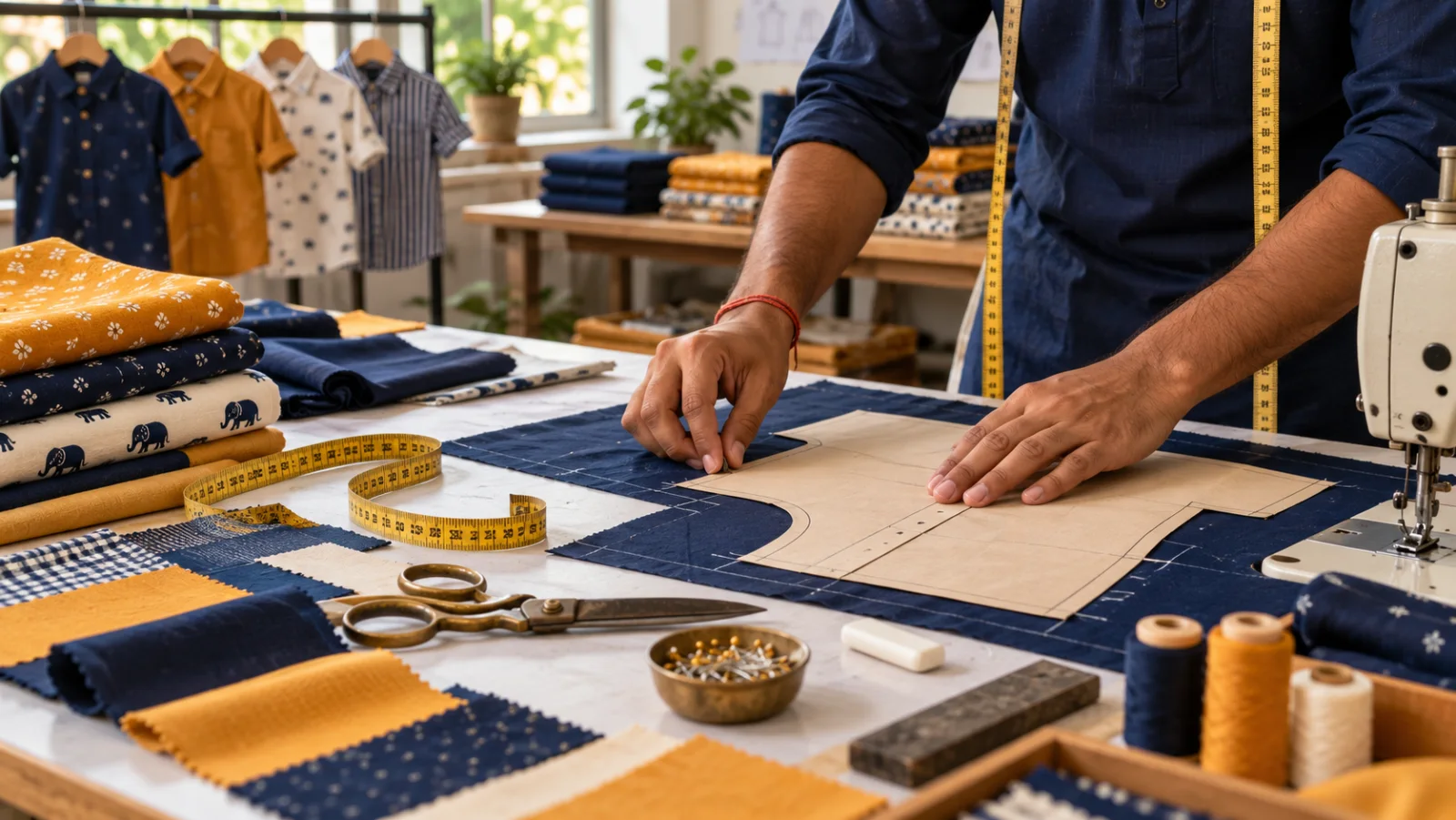
Use the same measurement method and points defined in the size chart. Lay the garment correctly, use appropriate tools and record the actual result rather than a quick visual estimate. Review a meaningful spread of sizes and pieces.
When a measurement is outside the agreed tolerance, identify whether it is isolated or systematic before deciding the action.
Inspect stitching and construction
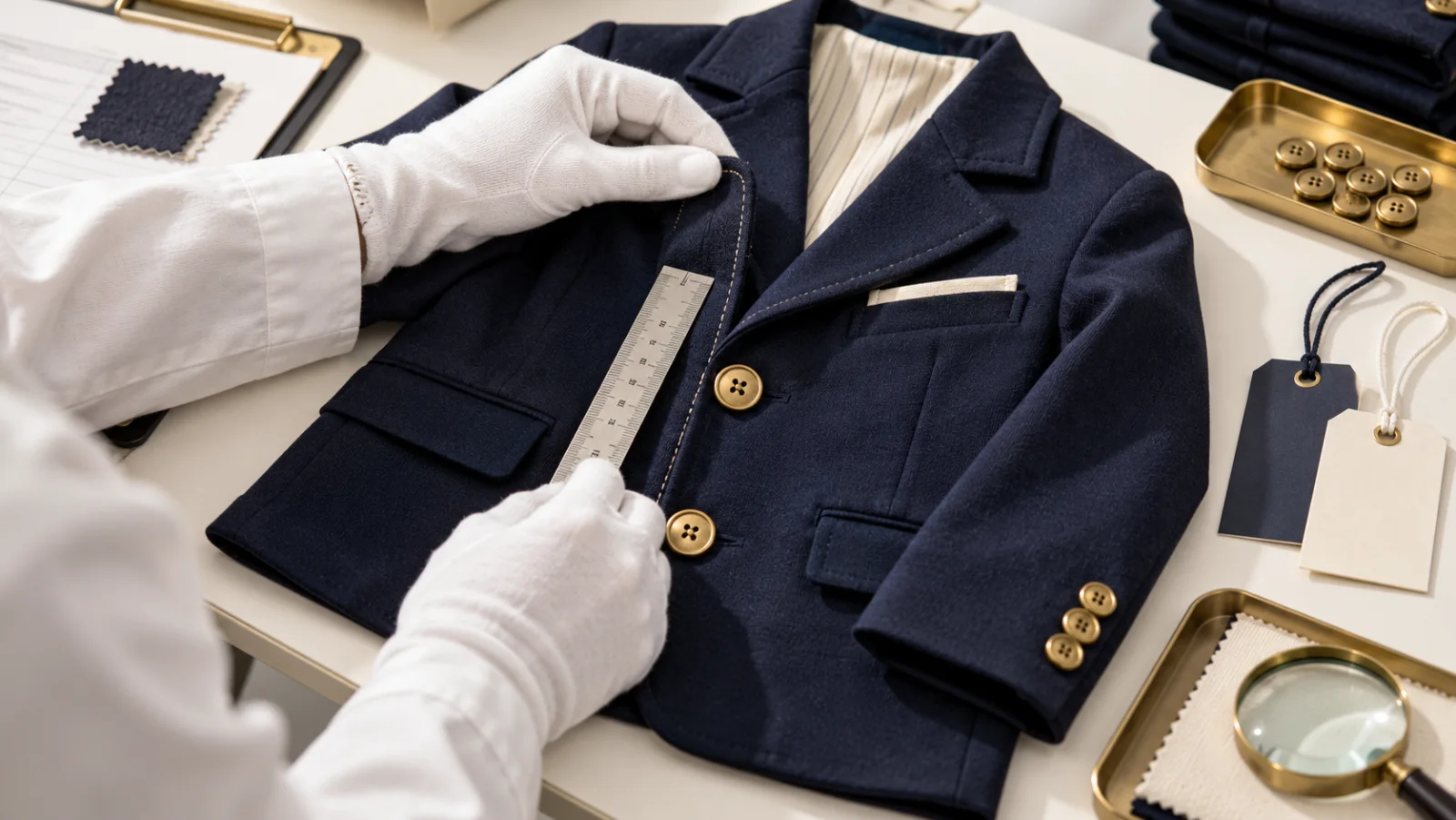
Review seam alignment, stitch appearance, skipped or broken stitches, puckering, raw edges, reinforcement and matching of paired components. Open and close buttons, zips and other fastenings. Confirm that layered garments sit and move together properly.
Turn the garment inside out. Internal finishing often reveals construction consistency more clearly than the front presentation.
Review comfort and practical use
Look for scratchy internal surfaces, bulky seams, stiff placements, difficult openings or decorative details that could affect wear. Check that the garment can be dressed and adjusted as intended. Age and product use should guide this review.
Product safety and legal compliance require expert, market-specific advice. Buyers should establish applicable requirements with qualified testing and compliance professionals.
Assess finishing, labels and presentation
Check pressing, loose threads, spots, symmetry, matching sets and overall presentation. Verify brand, size and care information against the approved artwork and placement. Confirm hang tags and price presentation where included in scope.
A clean garment can still be incorrect if the label, size or paired component does not match.
Verify packing and order consistency
Count and sort by style, colour and size. Review folding, individual packaging, assortment, carton markings and the quantity summary. Select pieces from different cartons rather than inspecting only the easiest-to-reach unit.
Connect the checklist to the full manufacturing process so responsibility is clear at each stage—not only at dispatch.
Common questions
Frequently asked questions
What are the main quality checks for kidswear?
Check approved materials and colour, measurements, stitching, trims, closures, comfort, appearance, labels, packing and consistency across sizes and pieces.
When should garments be inspected?
Review the development sample, check during production and perform a final inspection before dispatch. The exact plan should reflect order size and risk.
What should happen when a defect is found?
Record the defect and affected quantity, identify whether it is isolated or repeated, agree corrective action and verify the correction before production or dispatch continues.